How Psychometry works
Psychometry is Wade’s power to read memories preserved in objects. The Japanese introduction connects that power to his right arm and to Anima, the source underlying the world. Reading a memory reveals knowledge from the object’s era and can pass on the classes and skills of earlier heroes.
The English announcement emphasizes artifacts. These objects connect exploration to character progression: finding the past can change the abilities available in battle. The system is also part of Wade’s personal story, as his awakening causes him to question the life he knew in Urvis Ael.
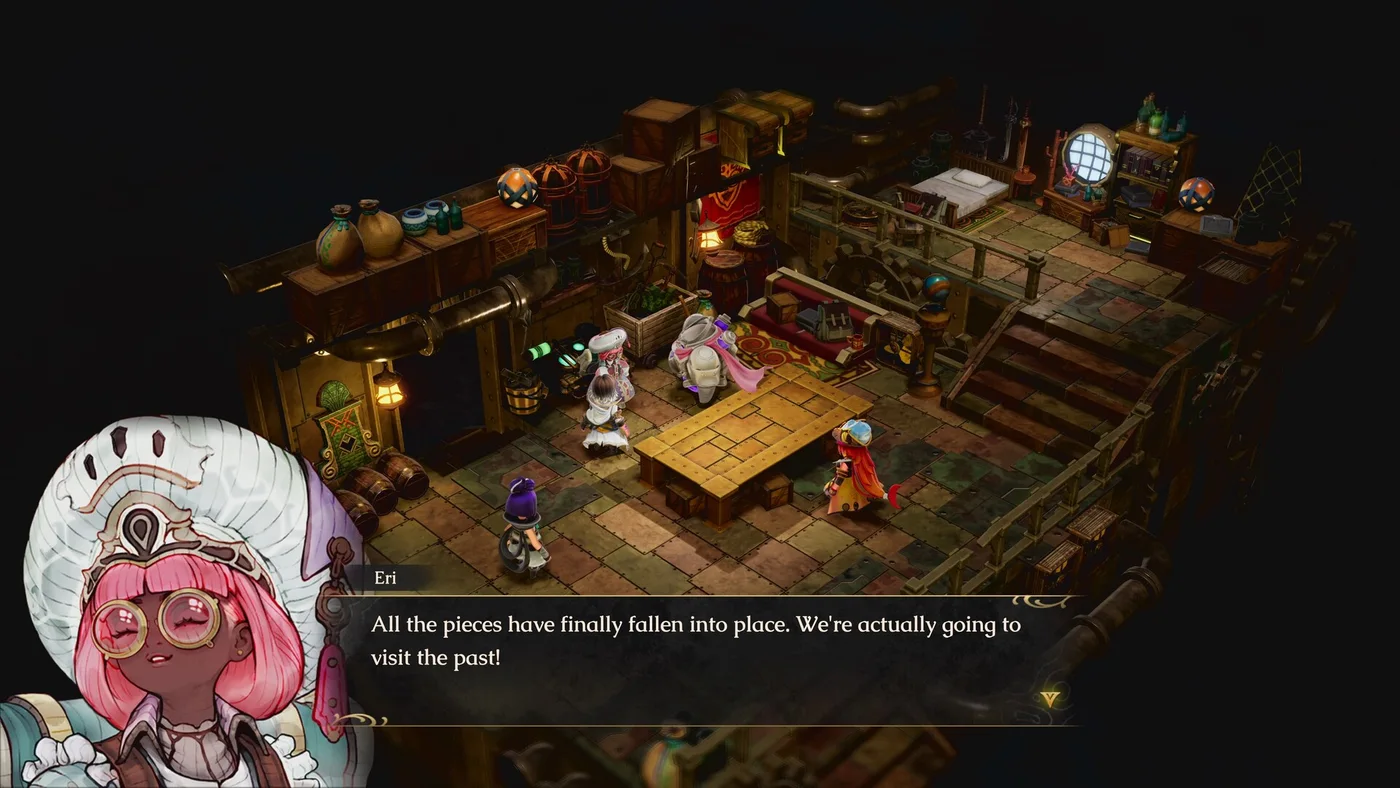
From a memory to a battle style
| Connection | What the game has announced |
|---|---|
| Objects → memories | Wade reads thoughts and memories retained within objects. |
| Memories → knowledge | Those memories reveal something of the era and people behind them. |
| Past heroes → classes and abilities | Psychometry lets Wade inherit powers from earlier heroes. |
| Inherited powers → combinations | Classes and abilities can be combined to create a personal battle style. |
The useful distinction is between the object you find and the abilities you use afterward. A recovered artifact is the source of a memory; the inherited class or skill becomes part of your options. The announcement does not say that every salvageable object grants a class.
Classes, skills and the people behind them
The class system covers inherited battle identities, while the skills guide records named commands visible in the published battle menu. Their exact unlock locations and source heroes have not yet been detailed. There is no announced complete list of classes to unlock.
Family inheritance has a separate narrative role. Generations tracks the relationships in Ambulis, where a descendant must live with the expectations attached to an ancestor. Psychometry explains how knowledge becomes usable power; the relationship directory explains who is connected across time.
How it relates to Future Sight
The Japanese site describes reading the enemy’s intent as another application of Wade’s extraordinary perception. In English, the battle-facing feature is called Future Sight. It makes an enemy’s action and expected outcome visible so that your next command can change what happens.
Think of the two systems as answering different questions. Psychometry asks what you can learn from the past. Future Sight asks what you can change about the next enemy action. Both support the game’s wider idea that the future does not have to repeat what came before.
Sources & further reading
- Marvelous USA: Eternal Anima announcement and editions
- Eternal Anima official Japanese website
- Eternal Anima on Steam
Last updated September 10, 2026 · Editorial approach · Suggest a correction